
Stress Incontinence Treatment in Panama City, FL
You Shouldn't Have to Plan Your Life Around Your Bladder

If you've ever leaked when you laughed, sneezed, coughed, or exercised, you are not alone. Stress urinary incontinence affects millions of women and is one of the most common yet least discussed side effects of childbirth, hormonal change, and aging. Many women spend years managing the symptoms in silence, carrying extra pads, avoiding certain activities, and quietly reorganizing their lives around a problem they've been told is simply "part of aging."
It is common. But it is not something you have to live with! Here, you’ll find that stress incontinence is treated as the real, treatable medical condition that it truly is – with advanced, non-surgical solutions that address the root cause rather than simply managing the inconvenience. There is no shame here, no judgment, and no reason to wait any longer for relief.
What Is Stress Incontinence?
Stress urinary incontinence occurs when the muscles and tissues supporting the bladder and urethra weaken, causing involuntary leakage during moments of physical pressure or exertion. It is most commonly triggered by:
Laughing, sneezing, or coughing
Exercise, jumping, or running
Lifting heavy objects
Sudden movement or positional changes
Unlike urgency incontinence – where a sudden, intense need to urinate precedes leakage – stress incontinence is directly related to physical pressure on the bladder. It is most commonly experienced by women who have given birth, undergone hormonal changes, or are navigating perimenopause or menopause, though it can affect women at any stage of life.
What Causes Stress Incontinence?
Stress incontinence is rooted in the weakening of the pelvic floor muscles and the connective tissues that support the bladder and urethra. Contributing factors include:
Vaginal childbirth and the physical demands of delivery
Hormonal changes during perimenopause and menopause
Estrogen decline, which affects tissue elasticity and strength (Did you know our bladder and urethra have both estrogen and testosterone receptors? As these hormones shift, tissues can thin and weaken, contributing to urgency, leakage, dryness, and recurrent infections — which is why vaginal estrogen is recommended as first-line therapy for genitourinary syndrome of menopause and related urinary symptoms by the North American Menopause Society, the American College of Obstetricians and Gynecologists, and the American Urological Association.)
Aging and the natural loss of muscle tone over time
Previous pelvic surgeries
Chronic coughing or high-impact activity over time
Understanding the root cause of your incontinence is the first step toward treating it effectively – and with our team, that is exactly where we begin.
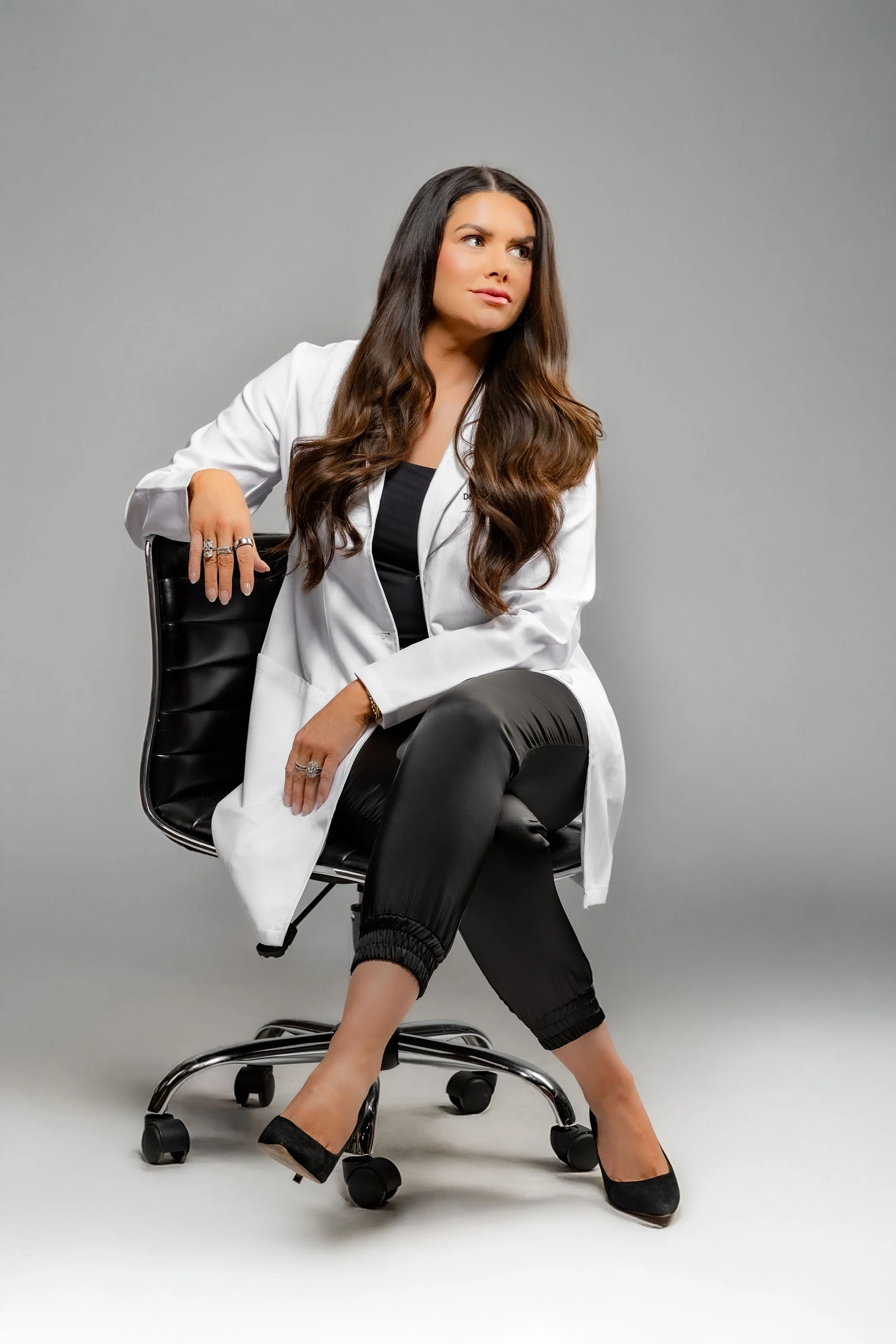
Stress incontinence treatment is comprehensive, non-surgical, and deeply personalized. Every treatment plan is built around your specific symptoms, health history, and goals — because no two patients are the same, and neither are their results.
-
The FemiLift is the cornerstone of stress incontinence treatment in our office. This advanced, non-surgical CO₂ laser therapy stimulates collagen production and tissue regeneration in the vaginal walls and surrounding structures – strengthening the support system around the bladder and urethra and significantly reducing or eliminating leakage. Treatments are performed in-office with no downtime, no anesthesia, no surgery, and are virtually pain free! Most patients notice meaningful improvement after just one to two sessions, with optimal results achieved over a series of treatments.
-
Estrogen plays a critical role in maintaining the health, elasticity, and strength of pelvic floor tissues. As estrogen declines during perimenopause and menopause, the tissues supporting the bladder weaken – contributing directly to stress incontinence. Hormone optimization, including bioidentical hormone replacement therapy and targeted estrogen support, addresses this root cause at the hormonal level – restoring tissue health from the inside out.
-
Precision peptide protocols can support tissue regeneration, reduce inflammation, and enhance the body's natural healing response, making them a powerful complement to laser and hormonal therapies for women seeking comprehensive, whole-body support for pelvic floor health.
-
Nutrition, hydration, weight management, and pelvic floor health are deeply interconnected. As part of a comprehensive functional medicine approach, Dr. Burg evaluates lifestyle factors that may be contributing to your symptoms and provides personalized recommendations to support your treatment and long-term results.
Your care with Dr. Jenn Burg begins with a thorough, unhurried consultation where she takes the time to understand your full health history, the nature and severity of your symptoms, and your personal goals. There is no rushing, no dismissing, and no one-size-fits-all solution here.
From there, a fully personalized treatment plan is developed, combining the most appropriate therapies for your unique situation and timeline. In-office treatments are comfortable, discreet, and designed to fit seamlessly into your life. Most patients experience little to no downtime and are able to return to their normal activities immediately.
As your treatment progresses, Dr. Burg monitors your results closely and refines your plan as needed, ensuring that you are always moving toward the outcome you deserve.
What your care may include:
Comprehensive health and hormonal evaluation
Advanced diagnostic testing where appropriate
FemiLift CO₂ laser therapy
Hormone optimization and BHRT
Precision peptide protocols
Lifestyle and nutritional support
Ongoing follow-up and plan refinement
Life Is Too Short to Keep Leaking Through It!
You've managed long enough. Whether your symptoms are mild or have been significantly impacting your daily life, there is a solution, and it starts with a conversation.